

Article: Not Renovating, But Sustaining Historical Buildings: Proper Approaches to Restoration

Not Renovating, But Sustaining Historical Buildings: Proper Approaches to Restoration
Structures reflecting the soul, identity, and history of each city are more than just stone and mortar. These structures are witnesses of time, reflections of civilizations, and living documents of cultural heritage. Mosques, waterside mansions (yalılar), inns (hans), bridges, and many more are not merely architectural works; they are also unique elements that convey the aesthetic understanding, lifestyle, and technical knowledge of the past to the present. For this reason, historical buildings are among the most valuable assets that constitute a city's memory.
Work carried out on historical buildings must also be undertaken with an awareness of this responsibility. While restoration is often perceived as merely physical repair, it actually signifies a much deeper and more comprehensive process. Preserving the original character of the structure, adhering to the architectural understanding of the period, and considering the cultural context of the building are among the fundamental principles of restoration. The main goal here is not just to keep the building standing, but to bring it to life, preserve its meaning, and transmit it to future generations.
In this context, restoration is more than a technical skill; it is a cultural responsibility. It is necessary not only to reproduce architecture but to carry the traces of the past into the future with correct approaches, and to restore function without disrupting the lived experience. Because when a historical building is restored, not just a building, but a story, a memory, and a social value are preserved.

The Right Approach with the Right Terms
When it comes to interventions in historical buildings, a correct understanding of the terms used is of great importance. While concepts such as “restoration,” “reconstruction,” “renovation,” and “conservation” are often confused, each defines the nature and scope of the intervention on the structure in different ways.
Restoration refers to the preservation and, if necessary, repair of a structure in the most faithful way to its original state, based on its existing physical condition and historical documents. The aim is to keep the structure alive with its original architecture from the past and to preserve its meaning. Reconstruction is the rebuilding of collapsed or severely damaged structures in light of available documents. Renovation encompasses the modernization and updating of a structure; however, in this process, original details are often relegated to the background. Conservation, on the other hand, involves interventions aimed at preventing further deterioration of structures that need to be preserved in their current state.
The most important thing to do in a genuine restoration is to make only the necessary interventions without compromising the historical value of the structure. Every unnecessary intervention subtracts something from the building. From color selection to facade texture, from material type to craftsmanship details, every element must be consistent with the historical context of the structure. At this point, the preservation of originality is both an ethical and cultural responsibility. Every detail intervened must respect the memory of the building and remain faithful to its character.
The Role of Material Selection and Craftsmanship: Quality from Tradition
Materials used in historical buildings carry aesthetic and cultural significance. Wooden joinery, stone walls, lime plasters, and traditional roofing systems are characteristic components of these structures. Adhering to these materials in restoration work is a fundamental step in preserving the spirit of the building.
Traditional materials such as wood, stone, and lime plaster are important not only visually but also in terms of building physics. These materials create breathable structures and naturally ensure moisture balance. Especially woodworking is a symbol of elegance and mastery in structures from the Ottoman and early Republican periods. Therefore, applications made with hand craftsmanship in restoration work are indispensable for keeping the original texture of the building alive.
Although modern materials may sometimes come into play due to technical necessities, their use must be controlled and compatible with the spirit of the building. When changing materials, not only durability but also aesthetic balance and historical context should be considered. Because when carrying a structure into the future, it must not lose its language from the past.
Biconsilio's Approach: Mastery Hidden in Detail
Biconsilio approaches the restoration of historical buildings not merely as a technical application, but as an "art of keeping alive." The company's fundamental principle is to evaluate each structure within its own historical context and to shape interventions accordingly. This understanding is evident in both material selection and application techniques.
Especially wooden joinery restorations are one of Biconsilio's areas of expertise. Door and window joinery are reproduced or repaired by hand, in perfect harmony with the architectural language of the period. During these works, original details are adhered to; both durability and aesthetic value are considered in material selection.
Strengthening load-bearing systems is an important phase that ensures the longevity of the structure. In this process, Biconsilio combines traditional load-bearing systems with contemporary engineering principles, ensuring that the structure is made more robust without altering its original integrity.
This approach has been successfully applied in many valuable projects to date. For example, in the Hasan Uzun Mosque, wooden joinery matching the architectural language of the period was meticulously restored, and the structure was strengthened both aesthetically and structurally. In the Çürüksulu Yalı project, the wooden skeletal system and load-bearing elements were renewed with traditional techniques, and the historical identity of the yalı was preserved and integrated into modern life. In public spaces such as Cendere Life Valley, furniture and outdoor elements that are both functional and compatible with the historical fabric were produced.
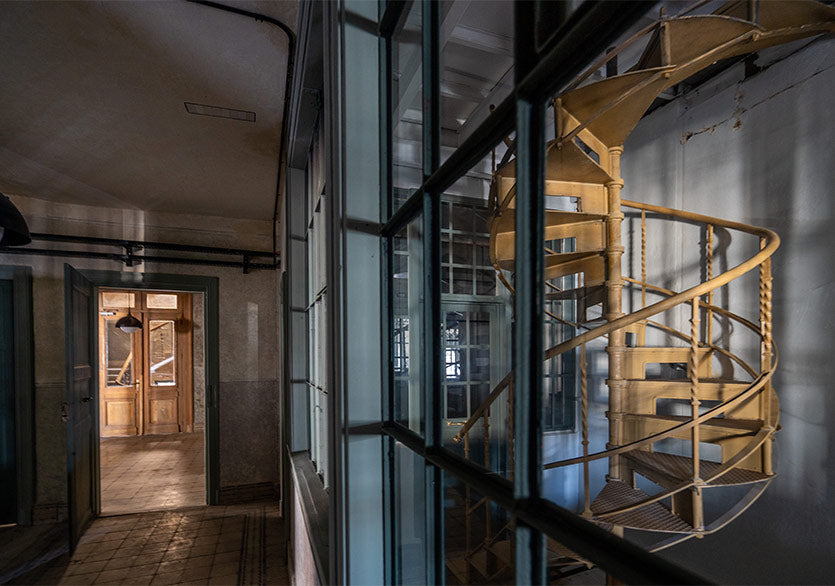
Restoration is Carrying the Past to the Future
Restoration is not just renovating an old building; it is an effort to preserve a culture of life, a memory, and an aesthetic understanding. This effort, in the right hands, can turn into an art. However, this art must embody not only technical knowledge but also historical sensitivity, ethical responsibility, and cultural awareness.
Biconsilio, by placing this understanding at its core, approaches every project not just as a job, but as a responsibility and a legacy. It not only repairs structures; it continues the story they want to tell. Without erasing the traces of the past, it brings them together with today's needs. Thus, historical buildings are not only kept standing but are ensured to continue living.
When restoration is done with the right approach; not just a structure, but a culture, an identity, and a history are carried into the future. This is only possible with a perspective that respects the past, thinks about the future, and seeks mastery in details.

